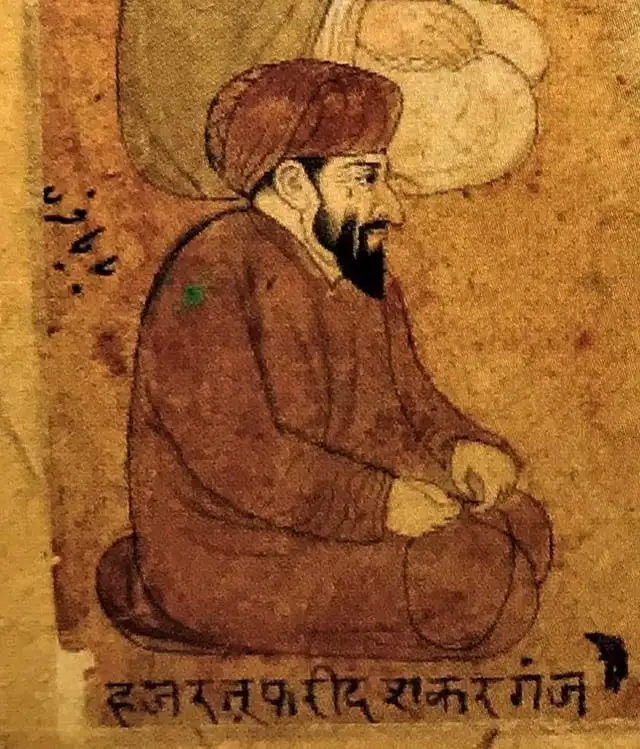
 Portraitبابا فریدBaba Faridc. 1173? – 1266?Chishti Sufi of Pakpattan and among the earliest poets of Punjabi. His shaloks and hymns are preserved in the Guru Granth Sahib.
Poets
49 poets
Portraitبابا فریدBaba Faridc. 1173? – 1266?Chishti Sufi of Pakpattan and among the earliest poets of Punjabi. His shaloks and hymns are preserved in the Guru Granth Sahib.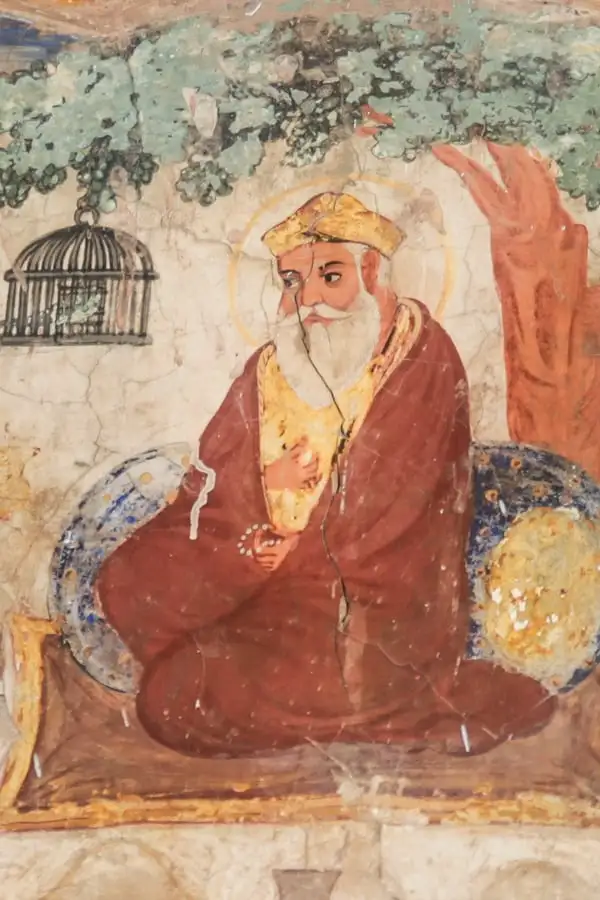 Portraitگرو نانکGuru Nanak1469 – 1539Founder of the Sikh faith, born at Talwandi (Nankana Sahib); his hymns, among them the Japu, open the Guru Granth Sahib.
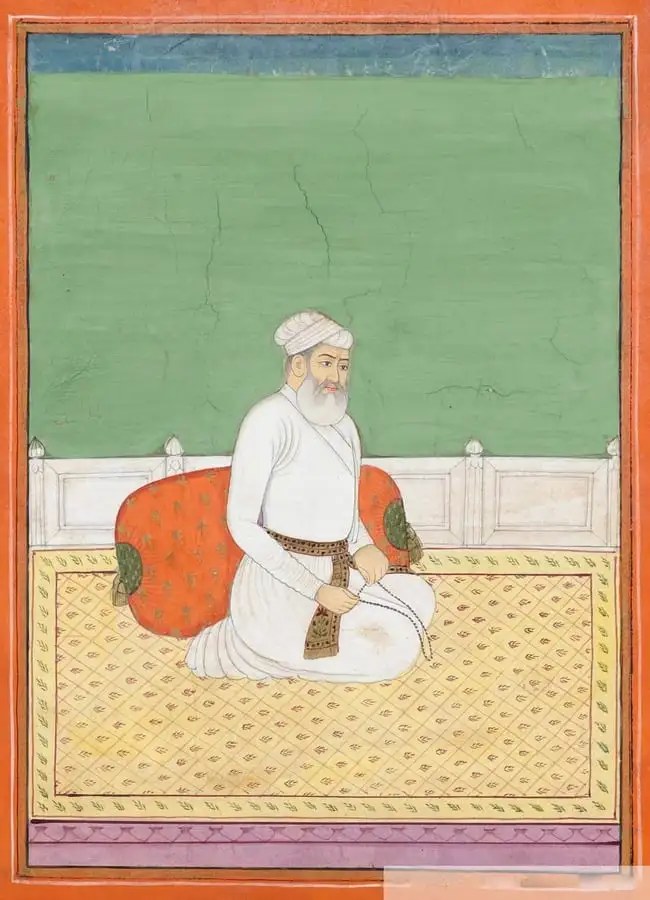 Portraitگرو امر داسGuru Amar Das1479 – 1574The third Sikh Guru (1552–1574); his hymns, among them the Anand Sahib, are in the Guru Granth Sahib.
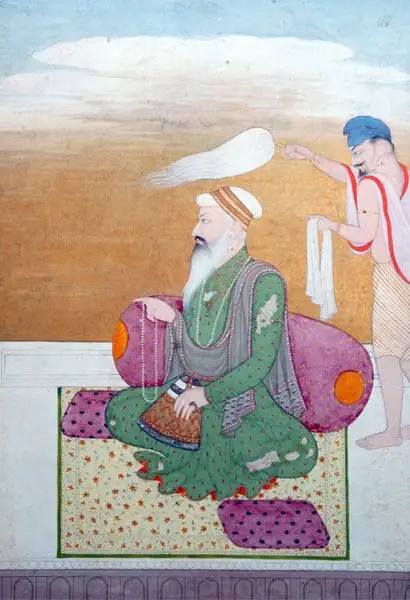 Portraitگرو رام داسGuru Ram Das1534 – 1581The fourth Sikh Guru (1574–1581), born in Lahore; founder of Ramdaspur, later Amritsar.
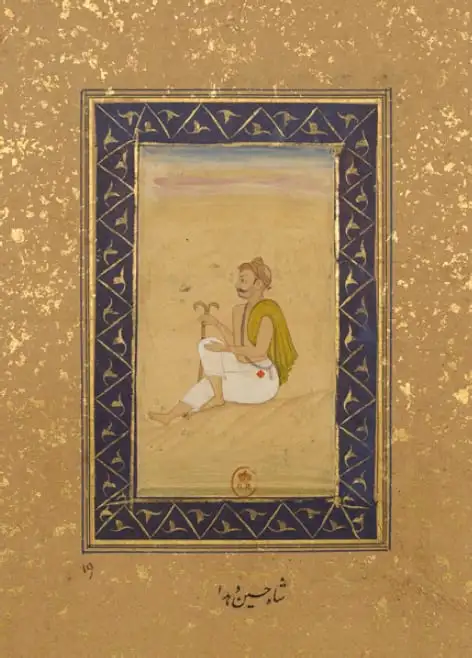 Portraitشاہ حسینShah Hussain1538 – 1599Lahore Sufi poet and a pioneer of the Punjabi kafi. The Mela Chiraghan is held at his shrine.
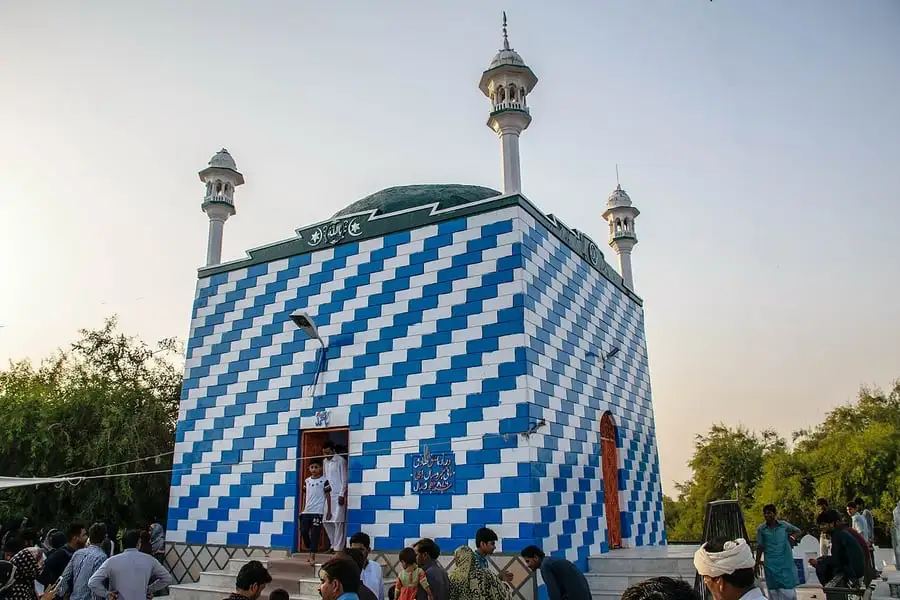 PlaceدمودرDamodar16th century – 17th centuryDamodar Das Arora (Gulati), the first poet to tell the Heer Ranjha legend in verse, in the reign of Akbar.
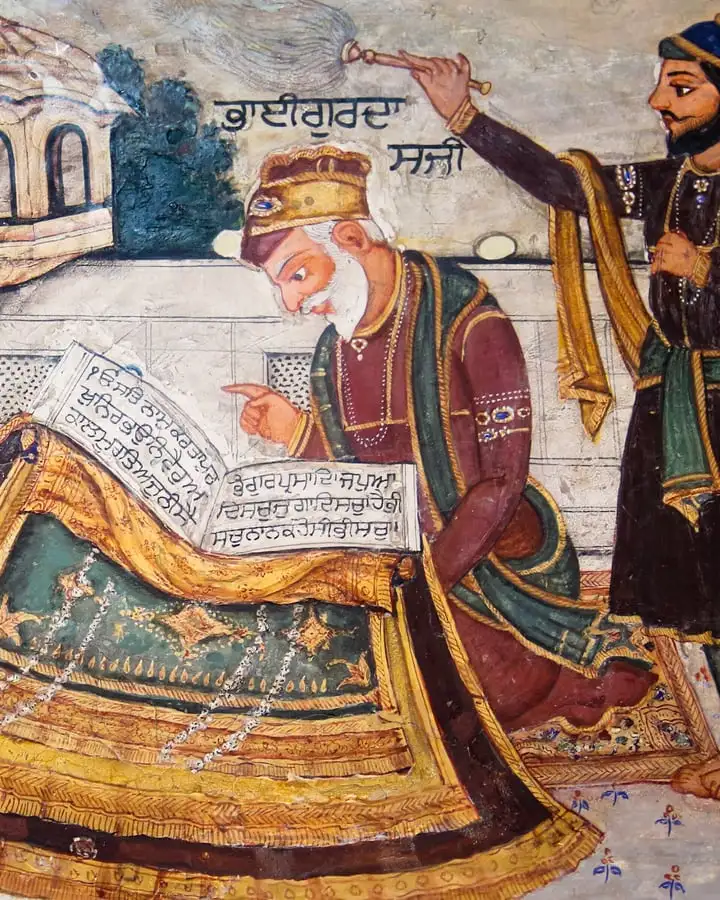 Portraitبھائی گرداسBhai Gurdas1551 – 1636Sikh writer, historian and preacher, scribe of the first Adi Granth (1604), whose Vaaran are called the key to the Guru Granth Sahib.
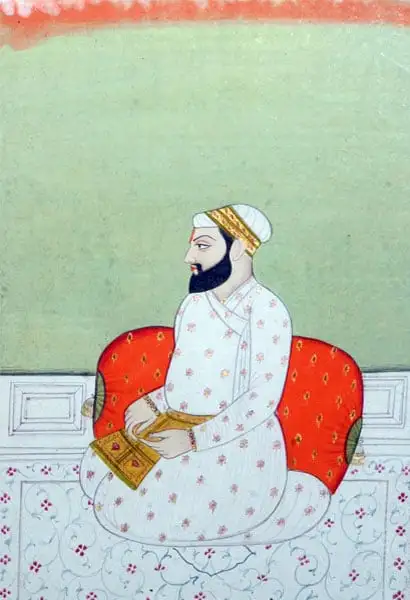 Portraitگرو ارجنGuru Arjan1563 – 1606The fifth Sikh Guru (1581–1606), who compiled the Adi Granth in 1604; executed in Lahore in 1606.
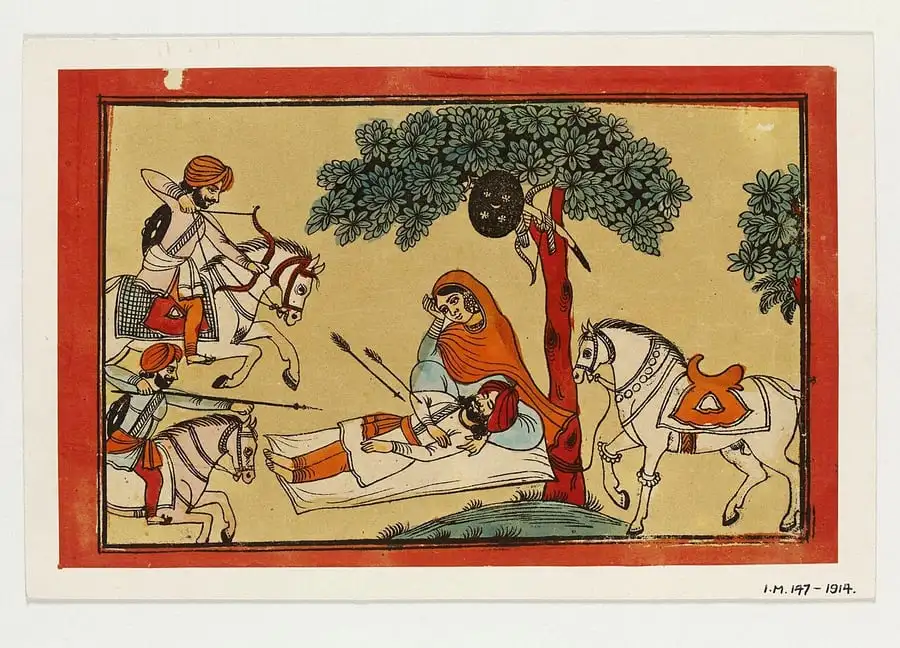 PaintingپیلوPeeluc. 1580 – c. 1675Poet of the tragic romance Mirza Sahiban, praised by later poets such as Mian Muhammad Bakhsh and Ahmad Yar.
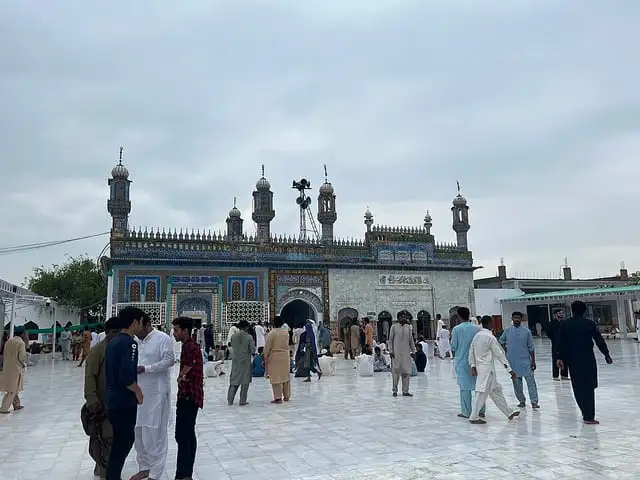 Resting placeسلطان باہوSultan Bahuc. 1630 – 1691Qadiri Sufi of Shorkot and Jhang whose Punjabi abyat, most ending on the refrain 'hū', brought him lasting popular fame.
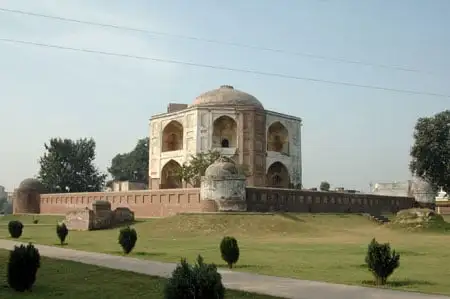 Placeشاہ شرفShah Sharaf1640 – 1724Sufi poet of Batala who wrote kafis, dohras and a Shuturnama; Bulleh Shah is the best known of those he influenced.
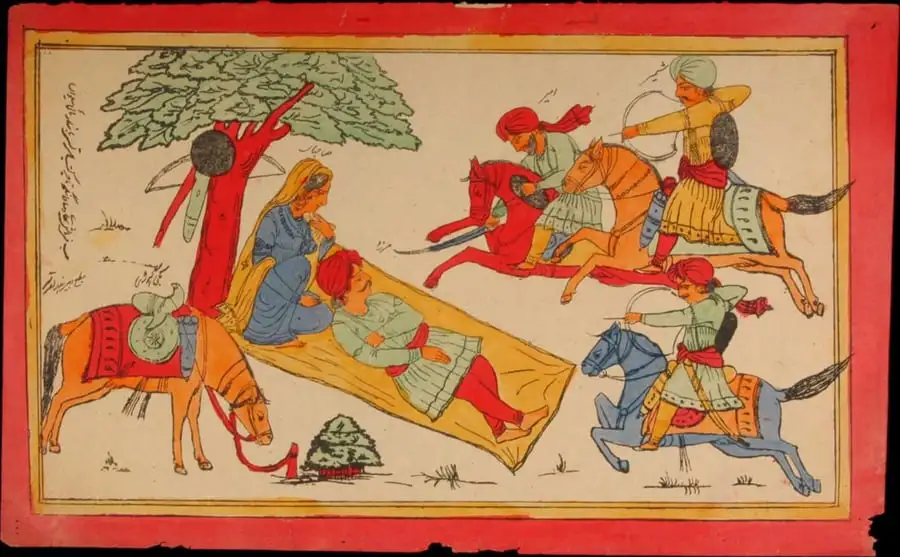 Paintingحافظ برخوردارHafiz Barkhurdar1658 – 1707Sufi poet of classical Punjabi literature, a disciple of Peelu, who retold Mirza Sahiban.
 Portraitبلھے شاہBulleh Shahc. 1680 – 1757?Sufi poet of Kasur and disciple of Shah Inayat Qadiri of Lahore, whose kafis question caste, ritual and religious authority.
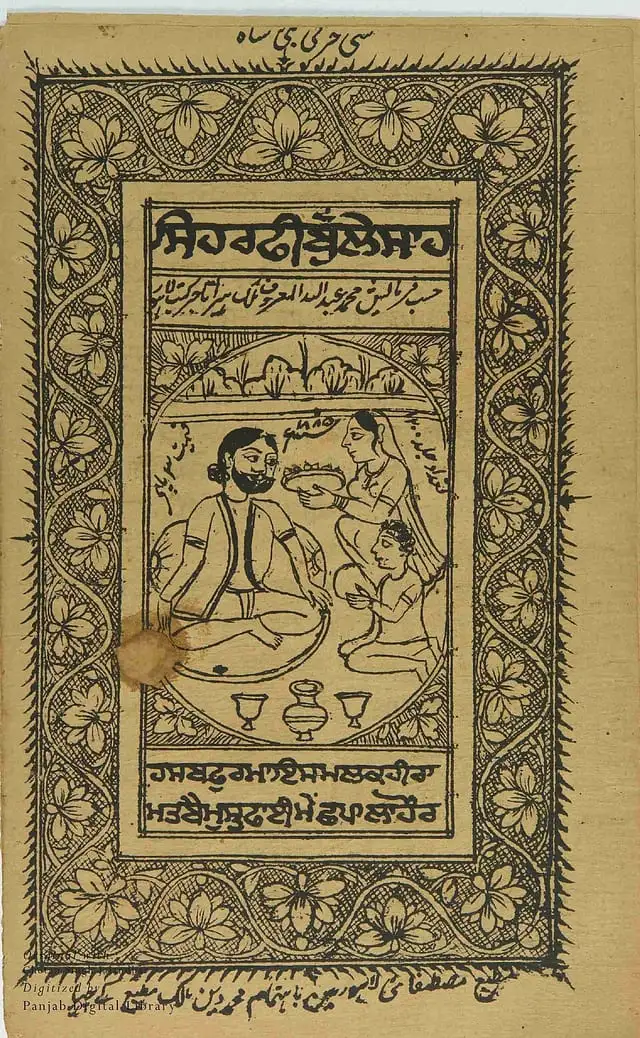
 Paintingعلی حیدر ملتانیAli Haider Multani1690 – 1785Eighteenth-century Sufi poet of Multan, author of siharfis, a diwan of kafis and an unfinished Heer.
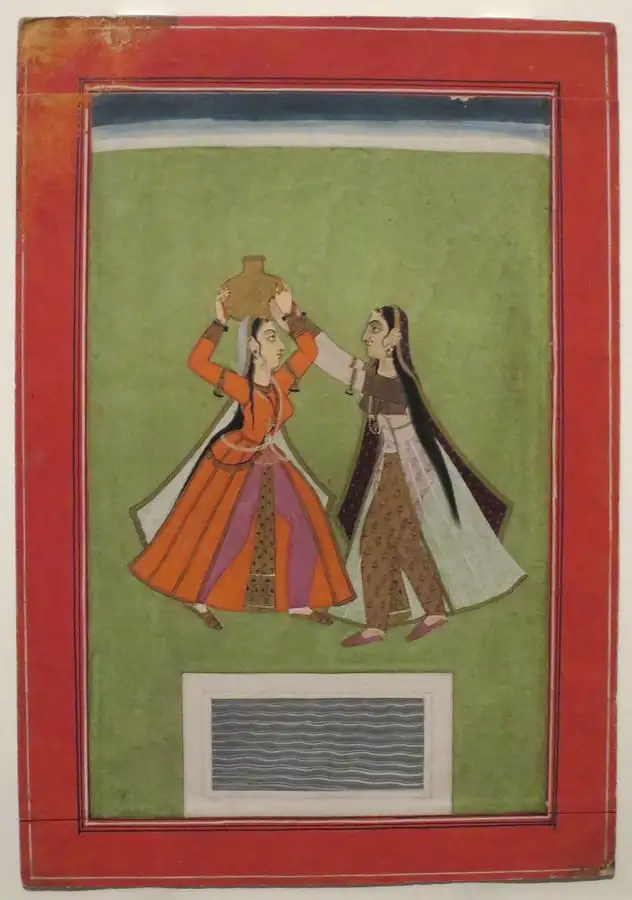
 Paintingفرد فقیرFard Faqir1720? – 1790Eighteenth-century Sufi poet of Gujrat, author of the Kasb-nama Bafindgan, a Baran Maha and a siharfi.
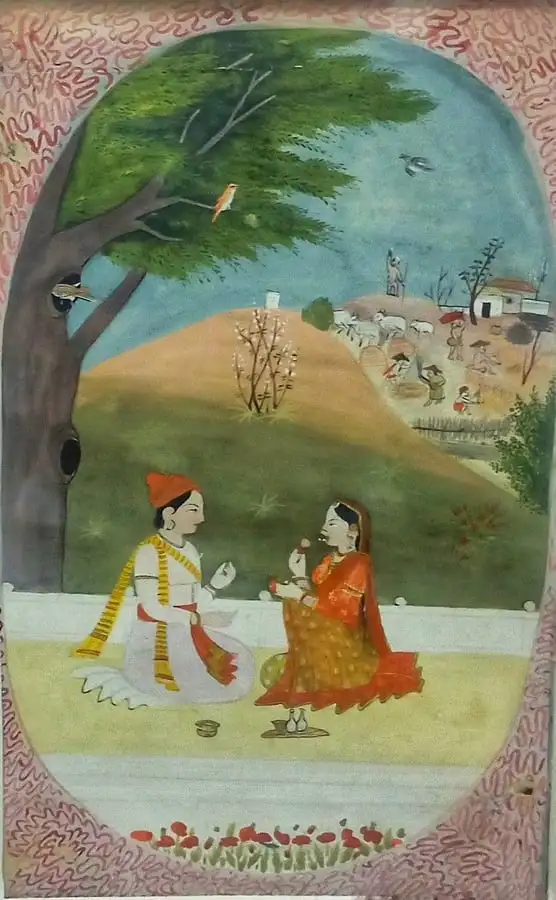
 Portraitوارث شاہWaris Shahc. 1722 – 1798?Chishti Sufi poet, best known for Heer (1766), his telling of the Heer Ranjha legend.
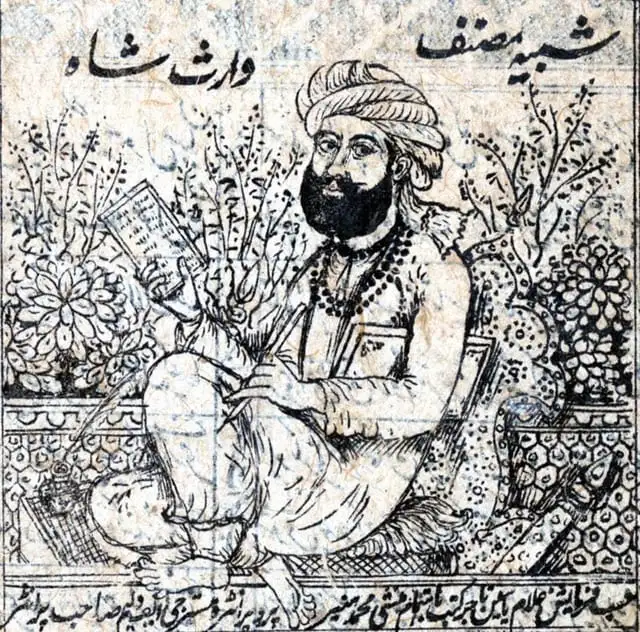
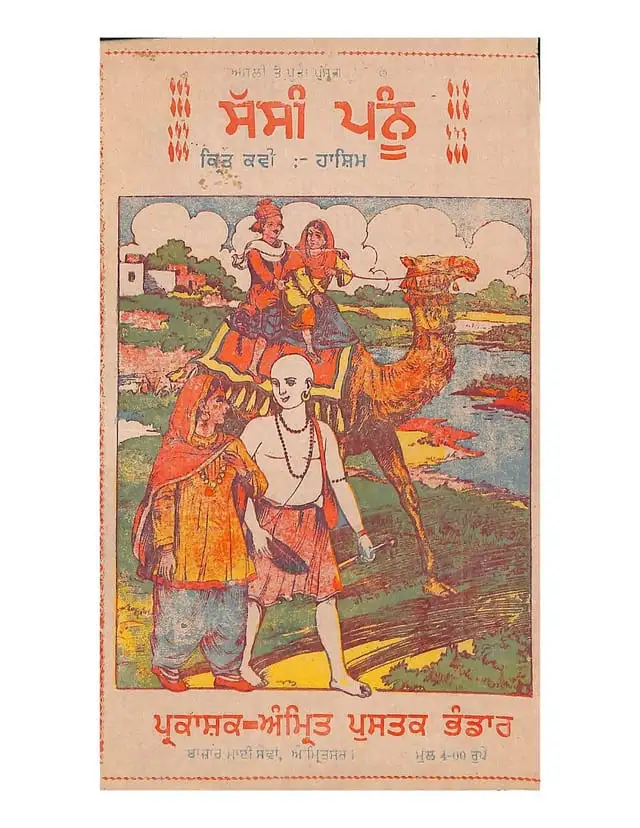 Manuscriptہاشم شاہHashim Shahc. 1735? – c. 1843?Poet of Sassi Punnun and of dohras. A carpenter by trade, he turned to poetry under the patronage of Maharaja Ranjit Singh.
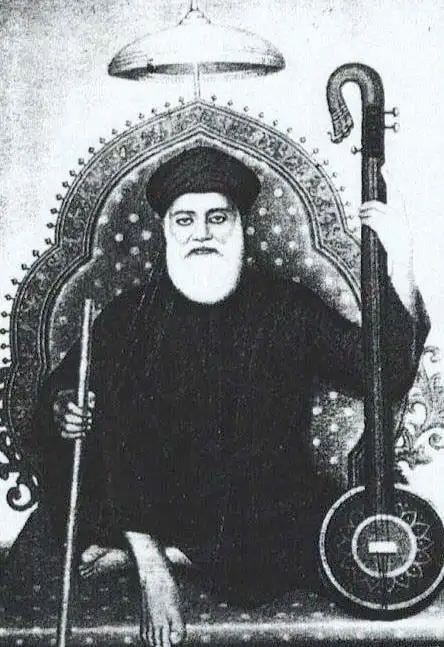 Portraitسچل سرمستSachal Sarmastc. 1739 – 1827Sindhi Sufi mystic known as the poet of seven languages; he also wrote kafis in Punjabi and Saraiki.
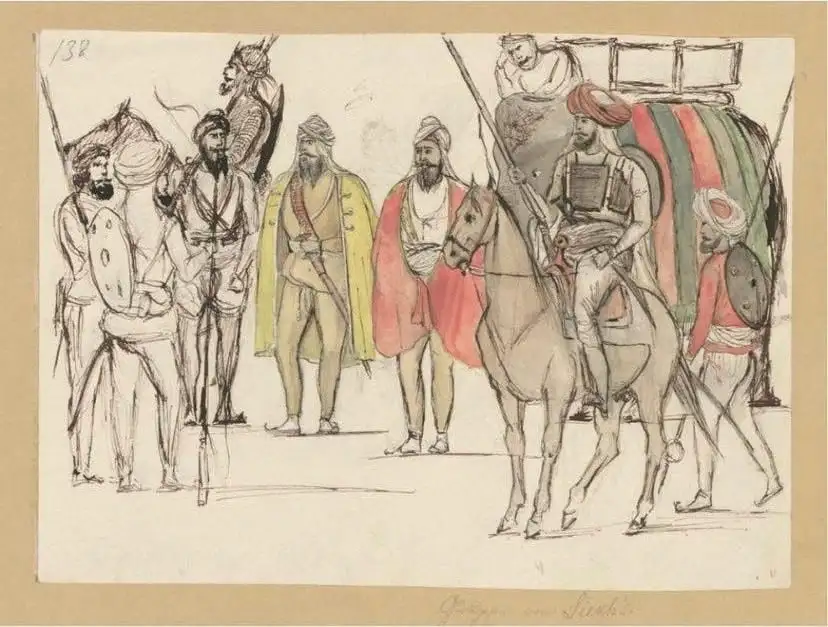 Paintingشاہ محمدShah Muhammad1780 – 1862Poet of the Jangnama (c. 1846), an account of the First Anglo-Sikh War and the fall of the Sikh kingdom.
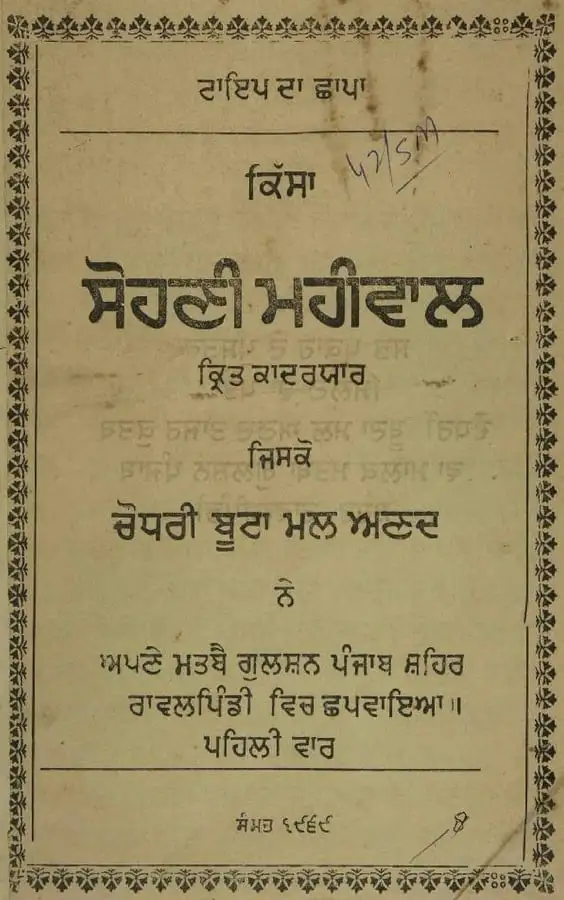 Manuscriptقادر یارQadir Yar1802 – 1892Nineteenth-century poet best known for his Qissa Puran Bhagat, for which Maharaja Ranjit Singh granted him a well.
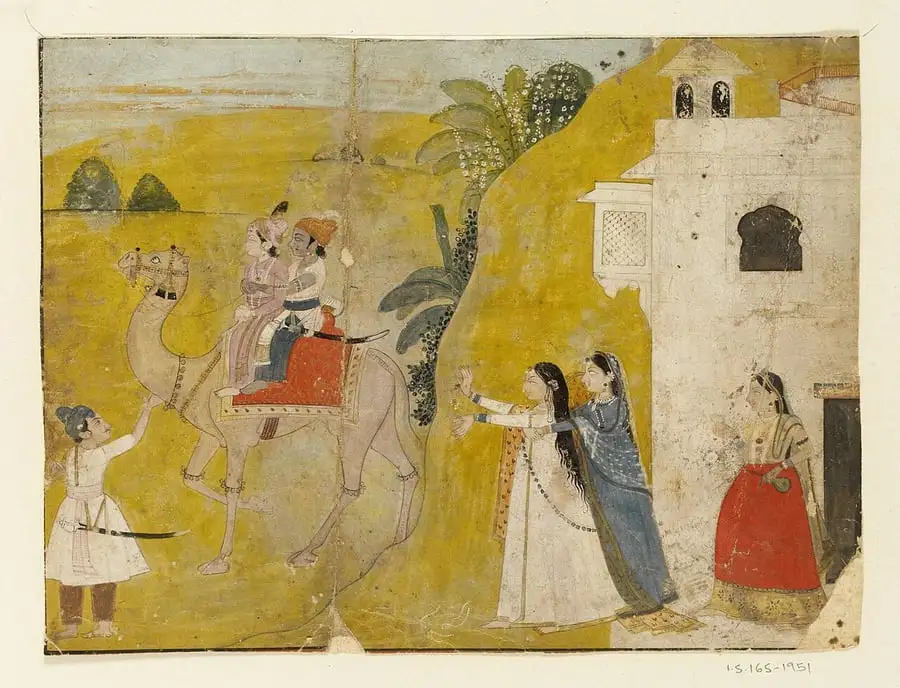 Paintingغلام رسول قلعہ میہاں سنگھMaulvi Ghulam Rasool (Qila Mihan Singh)1813 – 1874Nineteenth-century poet, scholar and orator of Gujranwala, whose collection Panj Ganj includes a Sassi Punnun and a siharfi.
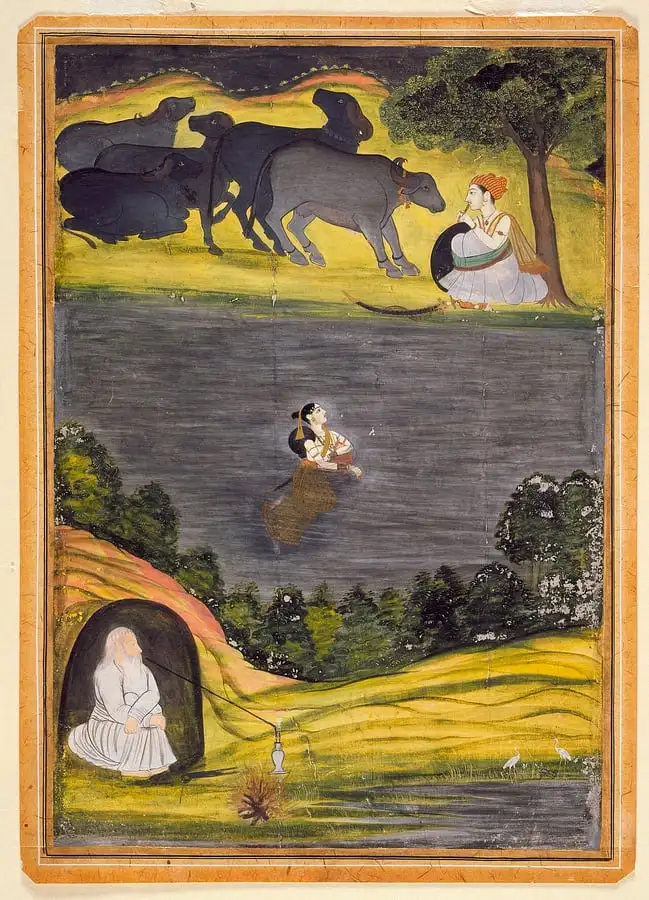 Paintingفضل شاہFazal Shah1827 – 1890Lahore poet of qissas on tragic romances; his Sohni Mahiwal is counted among the masterpieces of the form.
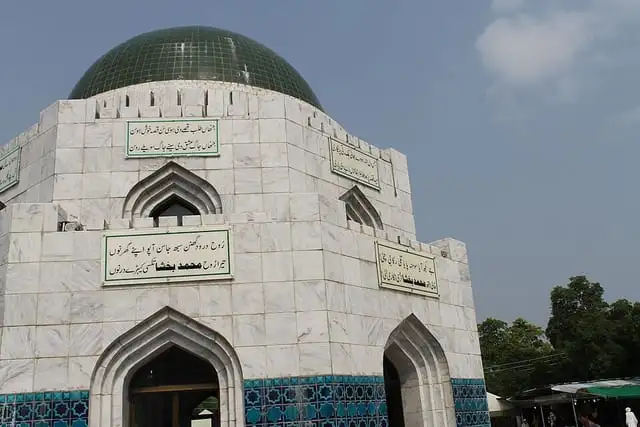 Resting placeمیاں محمد بخشMian Muhammad Bakhshc. 1830 – 1907?Sufi poet of Khari Sharif, author of Saif ul Malook (1863), a Punjabi verse retelling of the story of Prince Saif ul Malook, also called Safar ul Ishq.
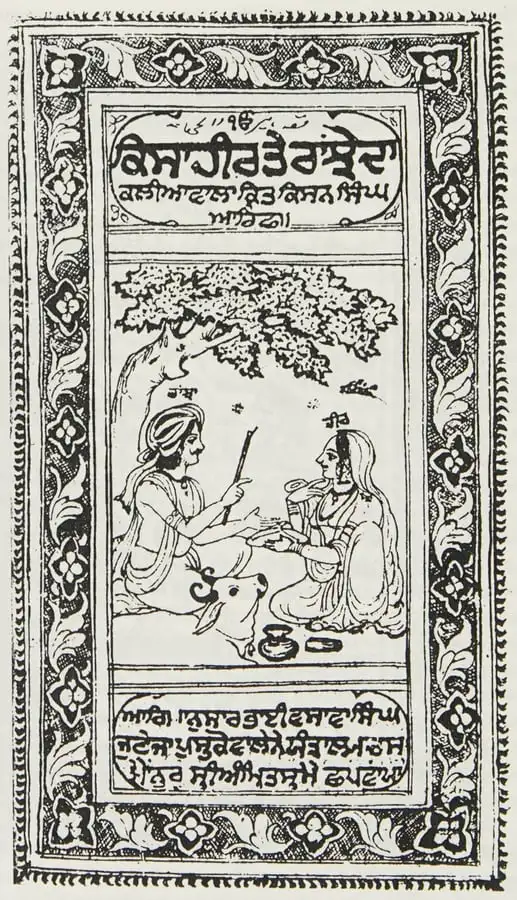 Manuscriptکشن سنگھ عارفKishan Singh Arif1836 – 1900?Nineteenth-century poet and qissa writer of Amritsar, a publisher and bookseller like his father.
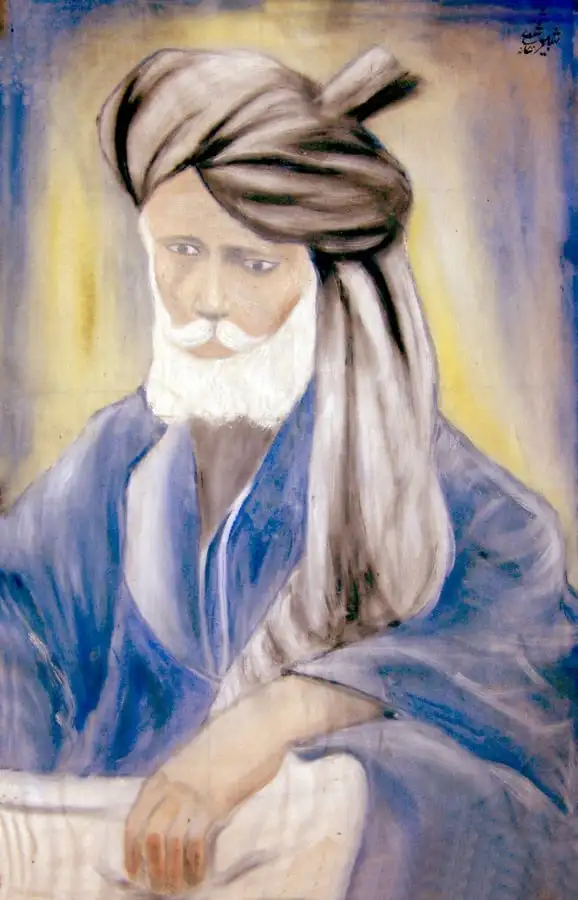 Portraitسائیں مولا شاہSain Maula Shah1836 – 1944Sufi poet, known as Sain Maula Shah Majethvi, who put many folk tales into verse.
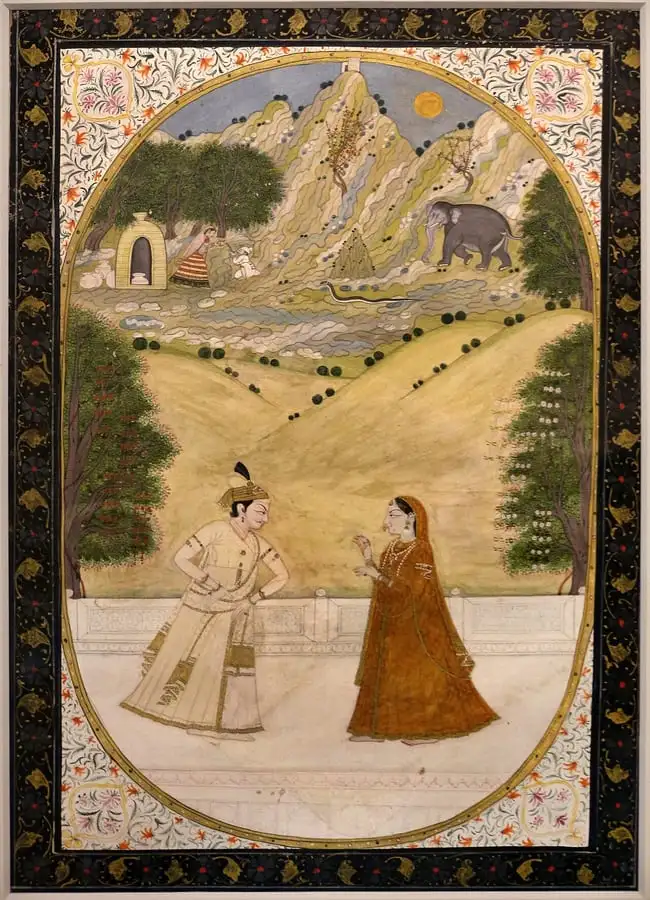 Paintingمیاں ہدایت اللہMian Hidayatullah1838 – 1929Punjabi poet whose Barah Maha, a poem of the twelve months, is given on Wikisource and punjabi-kavita.com.
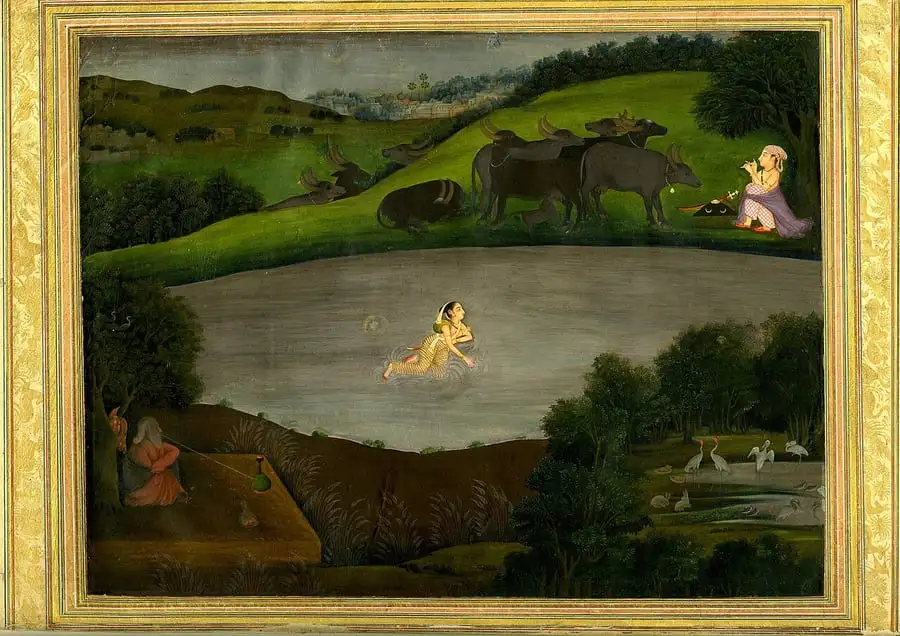 Paintingمیراں شاہ جالندھریMiran Shah Jalandhari1839 – 1914?Nineteenth-century Sufi poet of Jalandhar, best known for his kafis; he wrote in Punjabi, Hindi and Urdu.
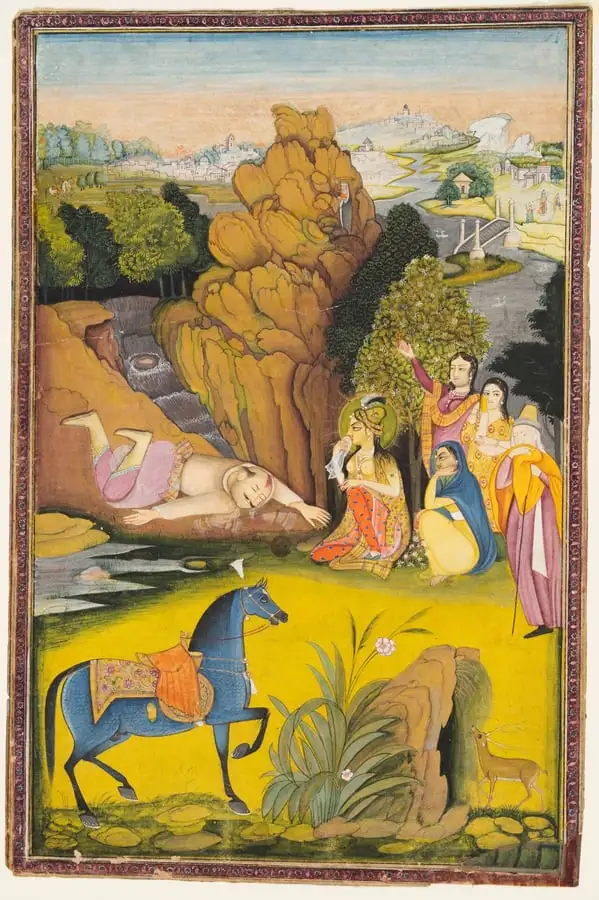 Paintingمحمد بوٹا گجراتیMuhammad Boota Gujrati1843 – 1919Poet of Gujrat, the city of Sohni, best known for Panj Ganj, five siharfis, and the qissa Shirin Farhad.
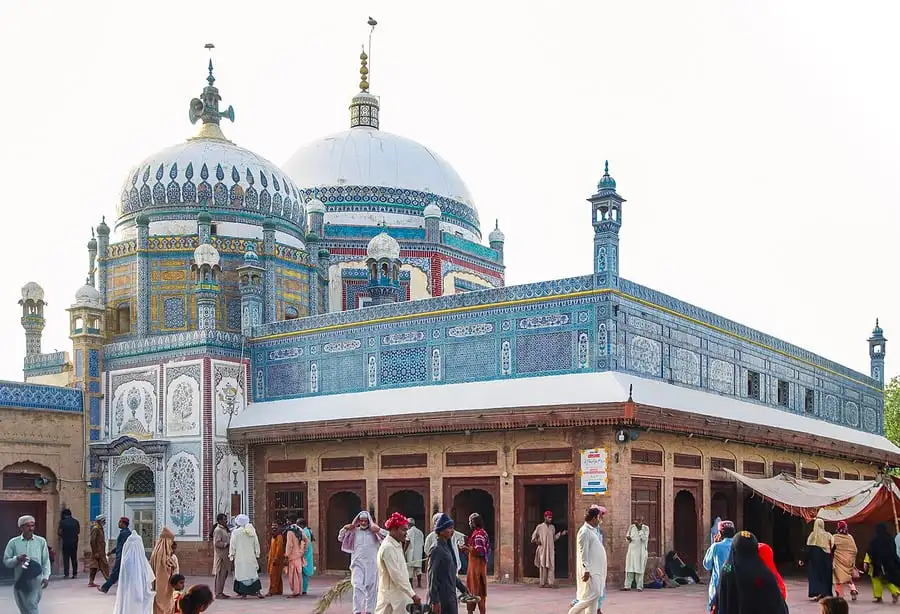 Resting placeخواجہ غلام فریدKhwaja Ghulam Faridc. 1845 – 1901Chishti Sufi poet of Bahawalpur whose kafis, mostly in Multani (Saraiki), are among the best loved in the language.
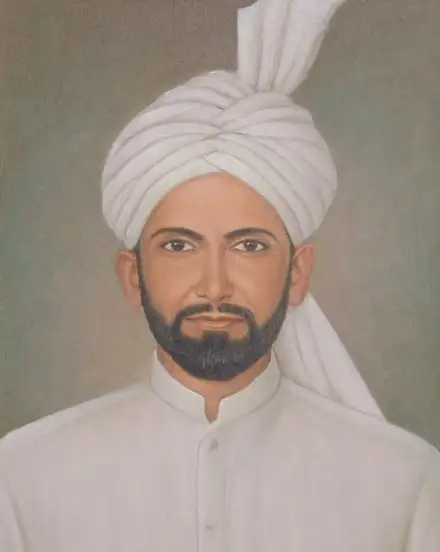 Portraitغلام رسول عالمپوریGhulam Rasool Alampuri1849 – 1892Sufi poet of Hoshiarpur whose Ahsan-ul-Qasas (Yusuf Zulaikha, 1873) is among the finest Punjabi qissas.
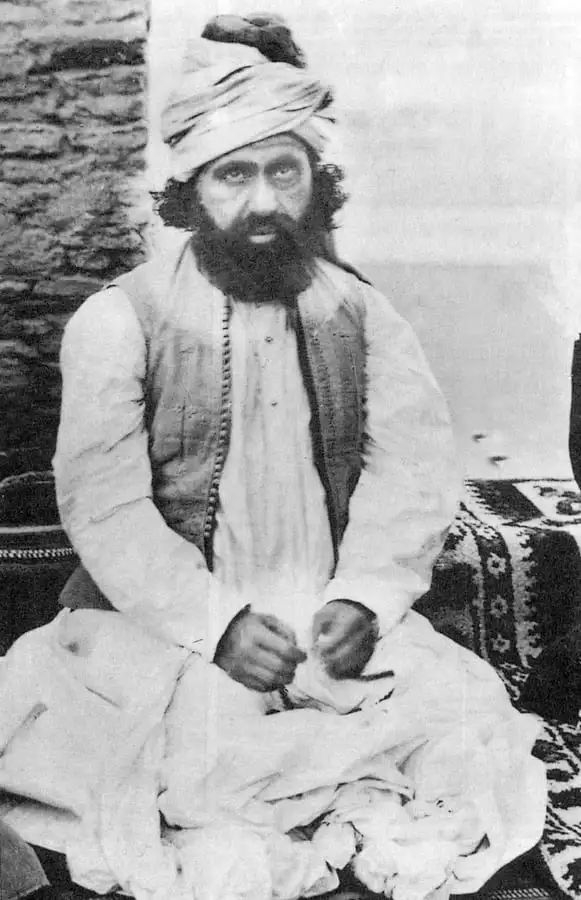 Portraitپیر مہر علی شاہPir Mehr Ali Shah1859 – 1937Chishti Sufi scholar and mystic poet who composed poetry in Punjabi and wrote books in Urdu and Persian.
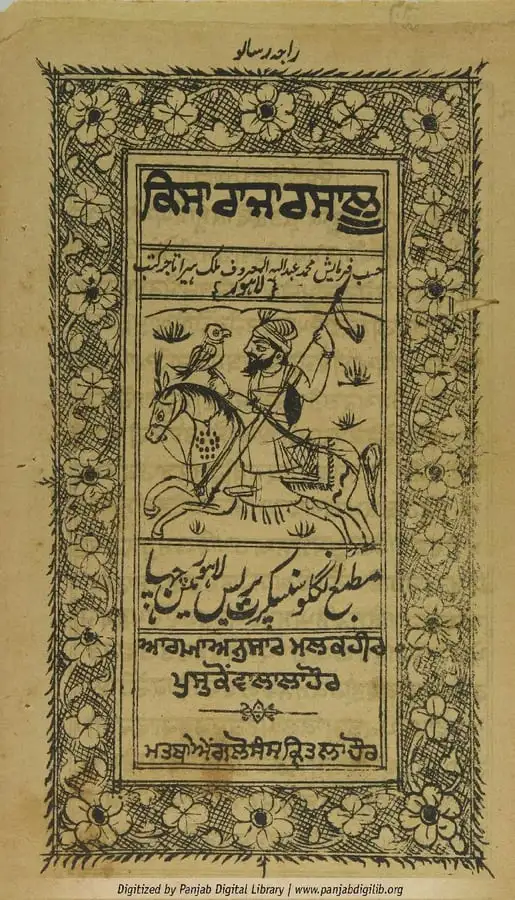 Paintingکالیداس گجرانوالیاKalidas Gujranwalia1865 – 1944Pandit Mann Singh, known as Kalidas Gujranwalia, a leading qissa poet of Puran Bhagat, Roop Basant and Raja Rasalu.
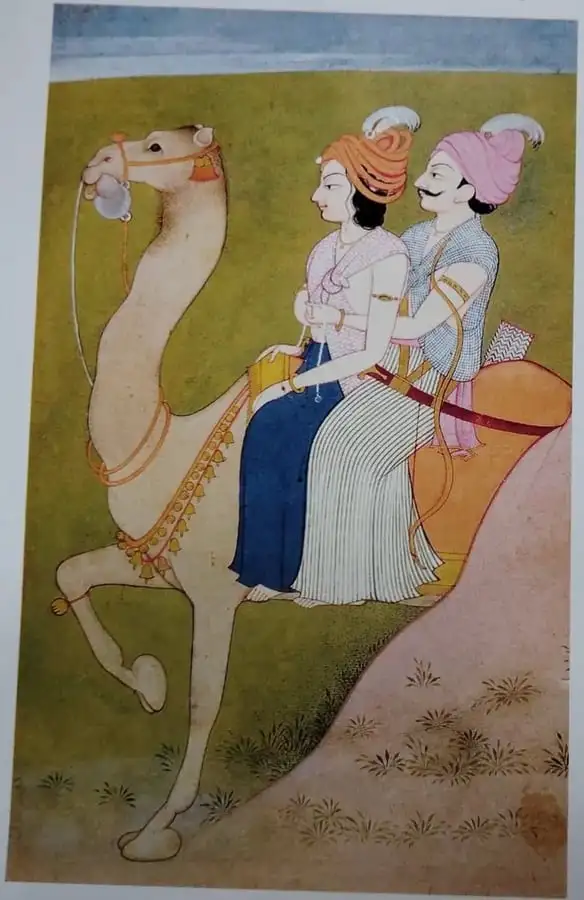 Paintingکریم بخشKarim Bakhsh– 1870Poet of the qissa Dhol Sammi and a baranmah of Sassi.
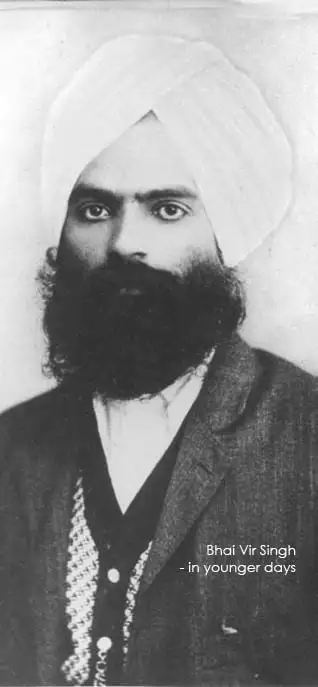 Portraitبھائی ویر سنگھBhai Vir Singh1872 – 1957A founder of modern Punjabi poetry and prose, writing in Gurmukhi; author of the epic Rana Surat Singh.
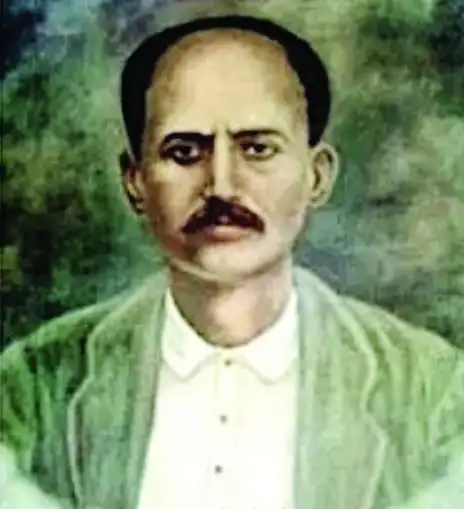 Portraitلالا کرپا ساگرLala Kirpa Sagar1875 – 1939Poet, playwright and publisher of Lahore, author of the epic Lakshmi Devi and plays on Maharaja Ranjit Singh.
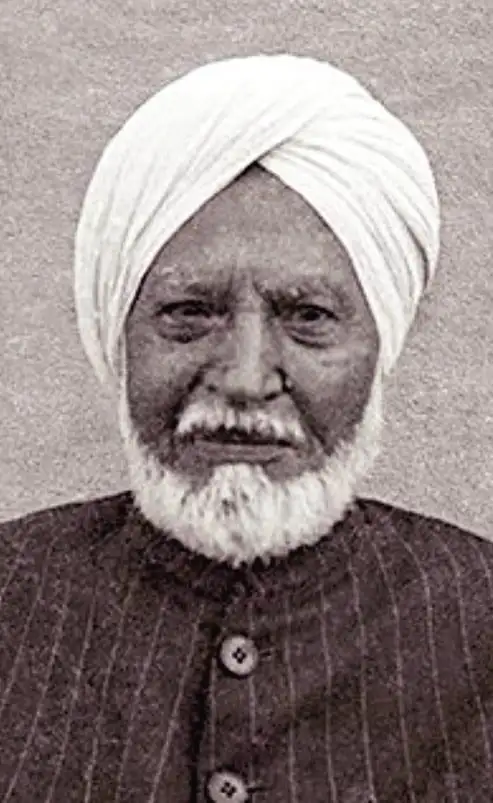 Portraitدھنی رام چاترکDhani Ram Chatrik1876 – 1954Poet and typographer, a pioneer of modern Punjabi poetry, who standardised the type for the Gurmukhi script.
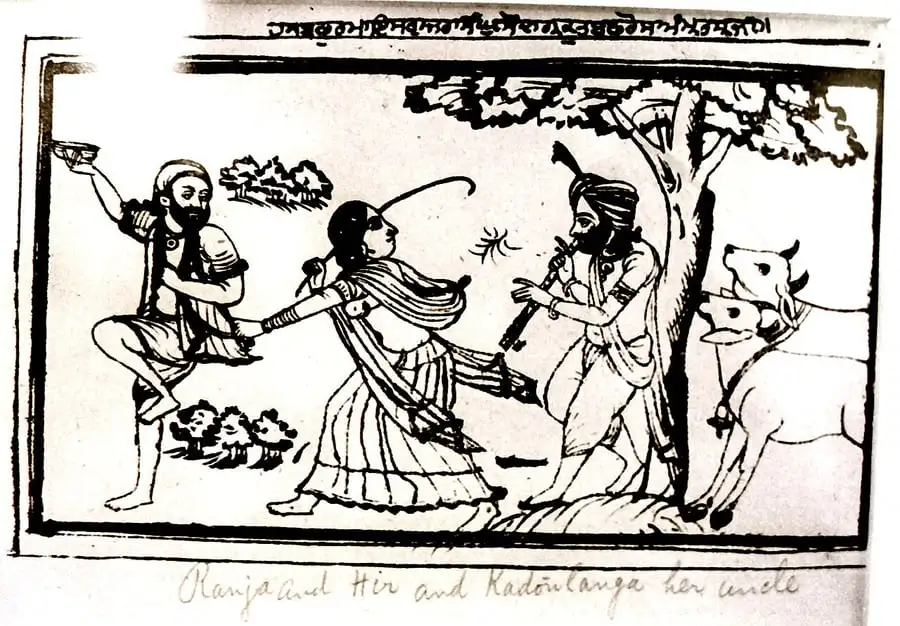 Paintingسائیں لبھو شاہSain Labhu Shah1880? – 1947Sufi poet of the Naushahi Qadiri line from Hashim Shah's village, author of dohras, kafis and a Heer Ranjha.
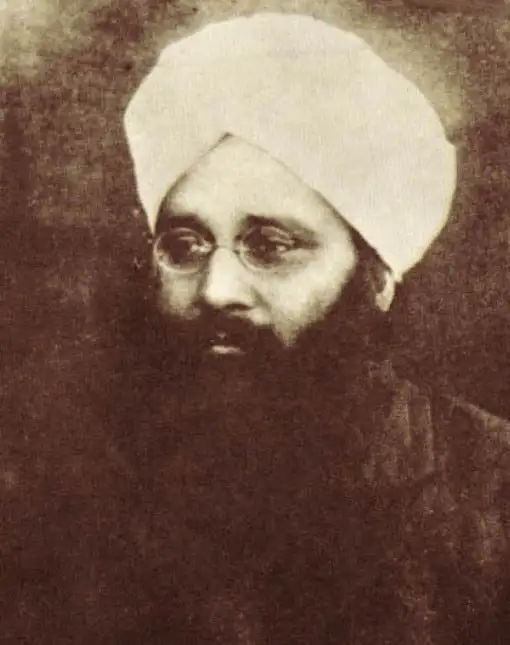 Portraitپورن سنگھPuran Singh1881 – 1931Poet, scientist and mystic born in Abbottabad, one of the founders of modern Punjabi poetry.
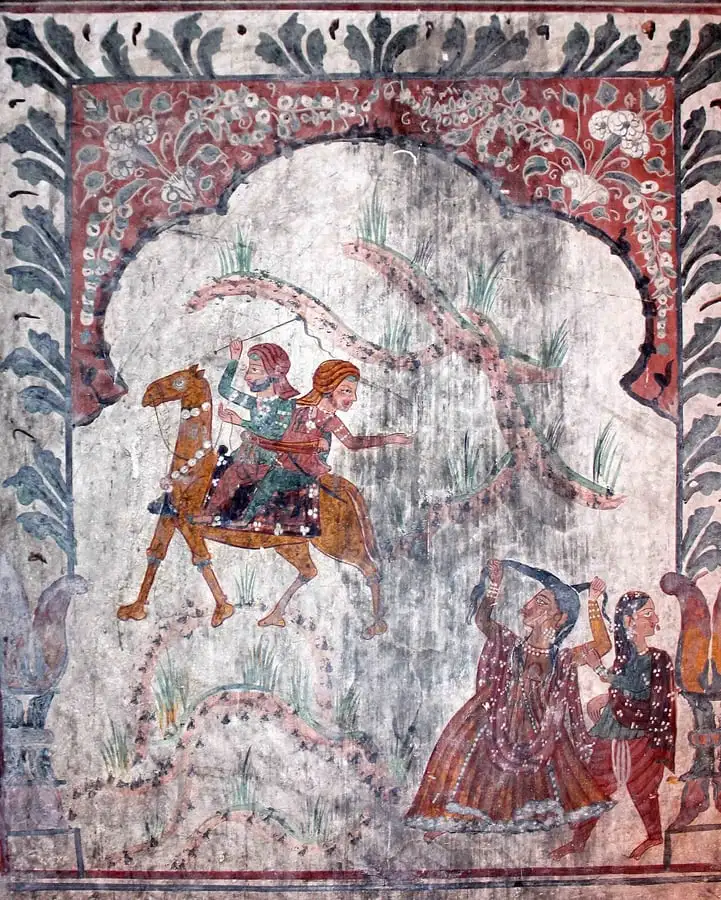 Paintingسائیں مرادSain Murad1882? – 1937?Wandering faqir poet of Ajnala who wrote letters, chaubarge, baints and a qissa of Sassi Punnun.
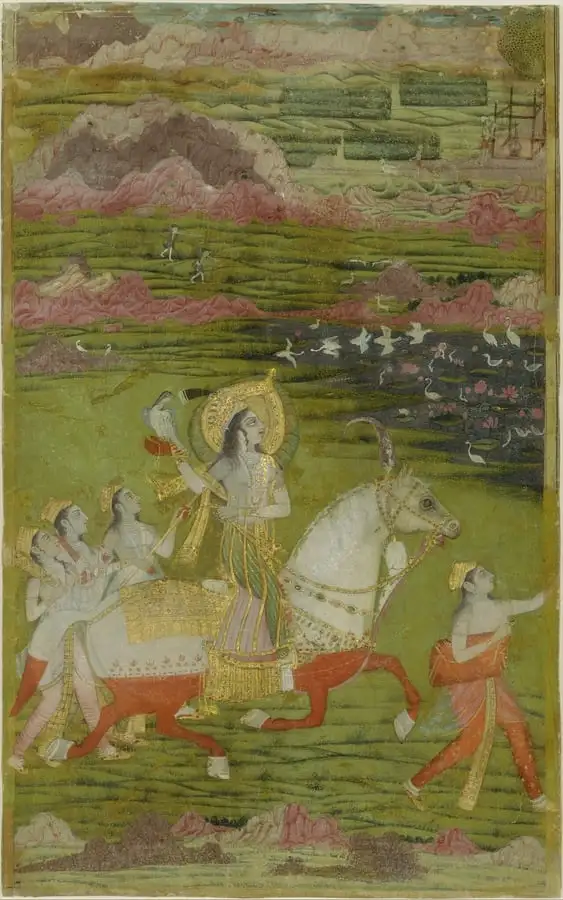 Paintingفیروز دین شرفBabu Firoz Din Sharaf1898 – 1955Lahore poet called the Punjabi Bulbul for his voice, who wrote on Hindu-Muslim unity, freedom and history.
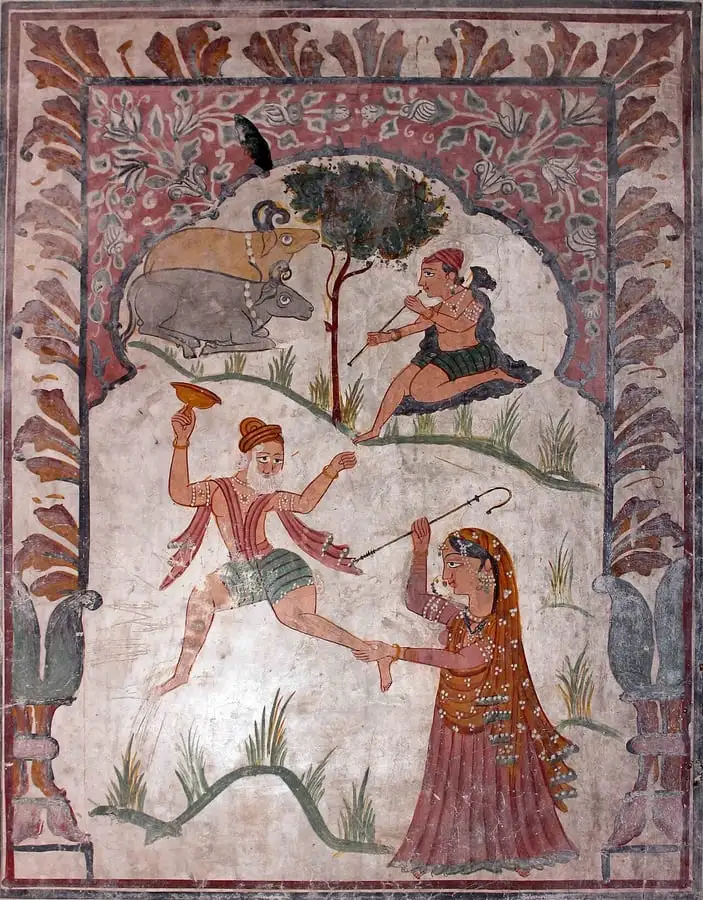 PaintingمقبلMuqbilShah Jahan Muqbil, eighteenth-century poet whose Heer is the earliest known Punjabi poem in the baint form.
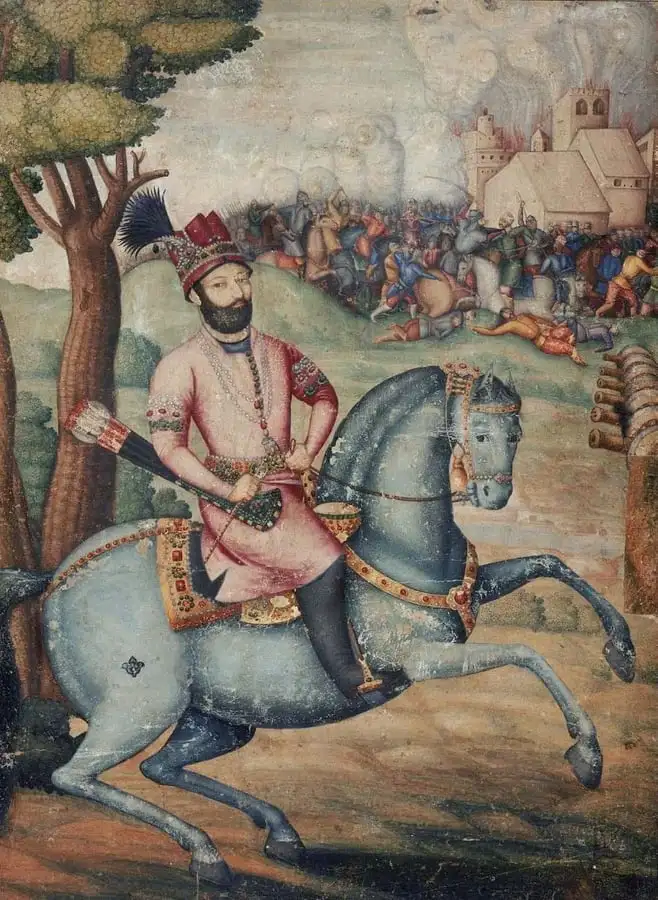 PaintingنجابتNajabatPoet of the Var of Nadir Shah, a semi-historical ballad of the Persian invasion of 1739.
Nothing matches.